The Complete Guide to Block Paving: From Planning to Perfection
Everything you need to know about block paving installation, from choosing the right materials to understanding the process and maintenance requirements.
Darren Inglis
Managing Director
Understanding Block Paving
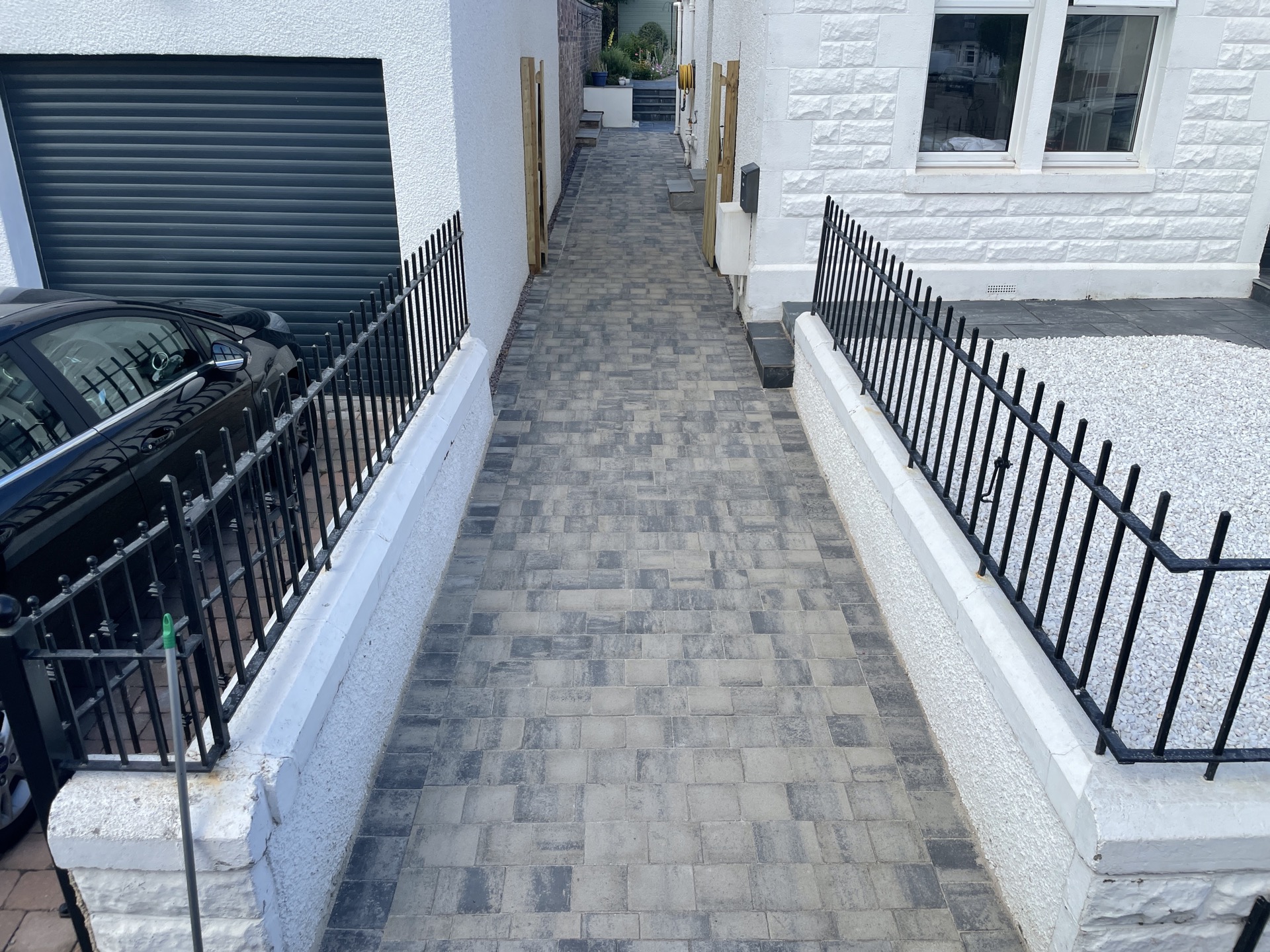
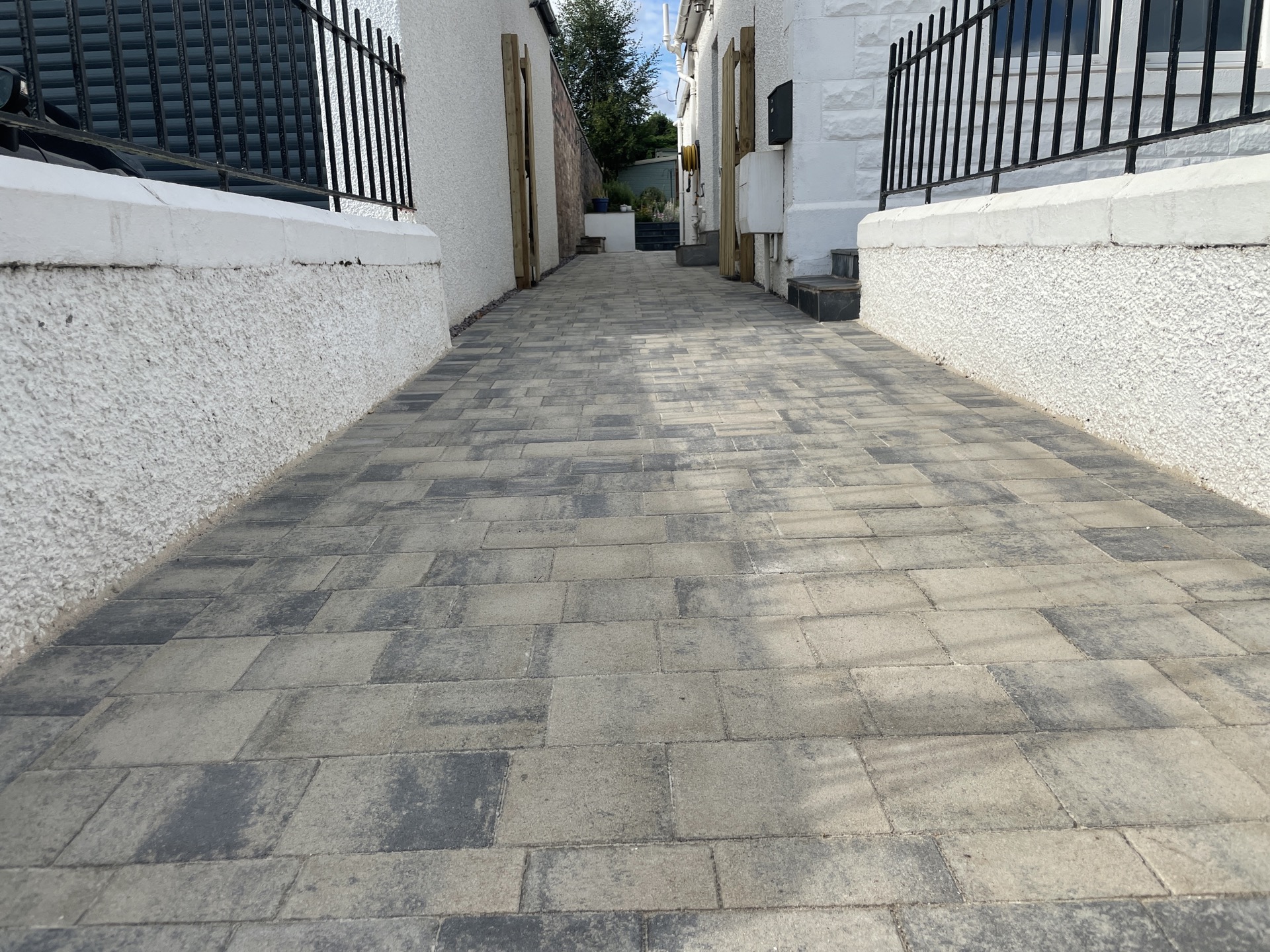
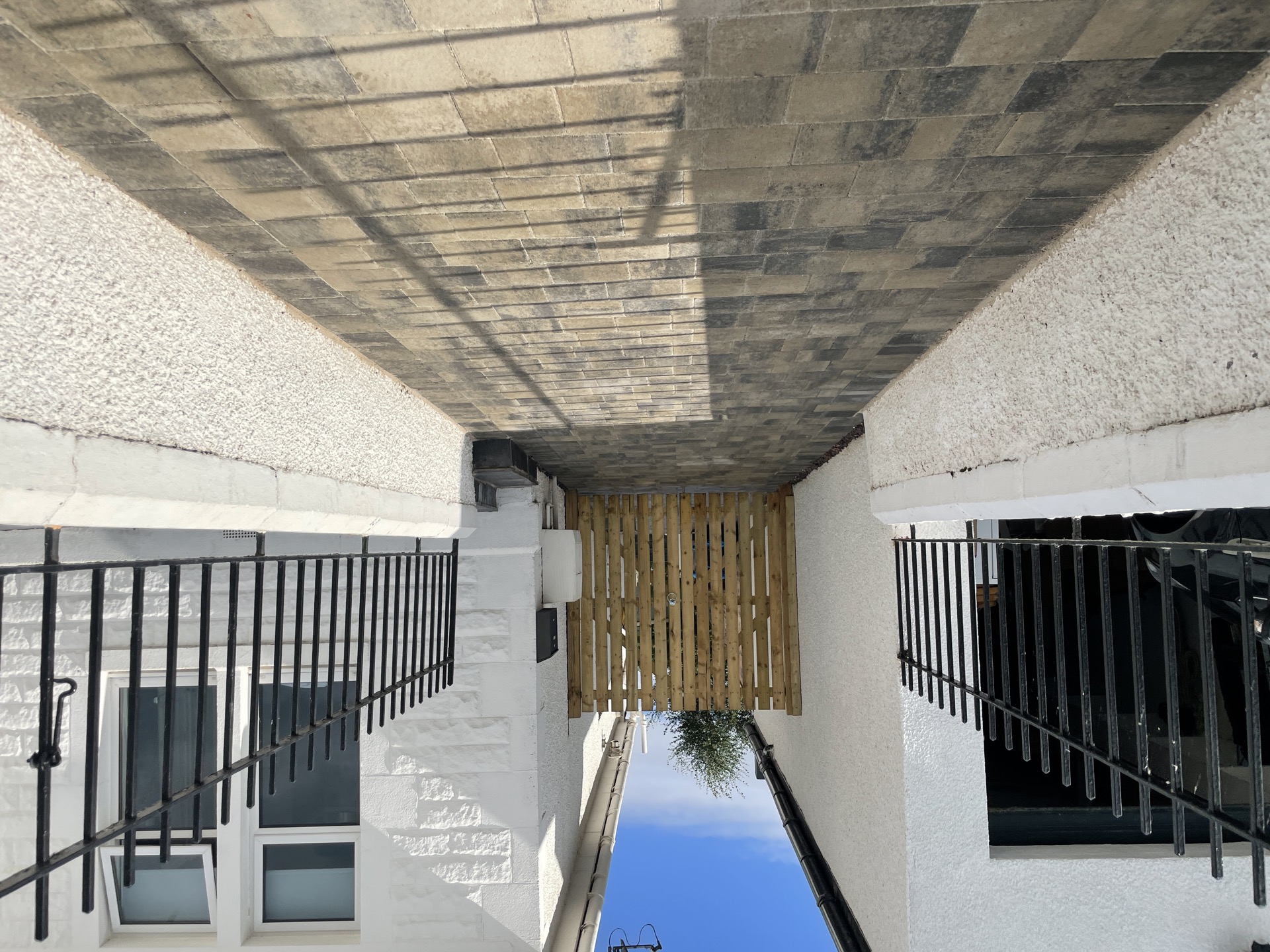
Block paving gives Edinburgh homeowners a wide choice of units, colours, borders and laying patterns. This guide explains the material options, preparation, installation and maintenance considerations.
Planning an installation rather than researching the material? See Hallmark's block paving driveway service in Edinburgh for the installation process, surface options and a free site survey.
Types of Block Paving Materials
There are several types of block paving materials available, each with their own characteristics:
- Concrete Blocks - Affordable and versatile with a wide range of colors and finishes
- Clay Pavers - Premium option with natural colors that improve with age
- Natural Stone - Individual colour and texture, with specification varying by stone type
Popular Block Paving Patterns
The pattern you choose can dramatically impact the final look and structural integrity:
- Herringbone - An interlocking layout commonly used for vehicle areas
- Stretcher Bond - Classic and simple pattern, ideal for pathways
- Basketweave - Traditional look, perfect for period properties
- Random Pattern - Natural stone appearance with irregular shapes
Professional Installation Process
Professional installation typically follows these critical steps:
- Site Preparation
- Excavation to required depth (typically 200-250mm)
- Installation of drainage systems where needed
- Compaction of sub-base using mechanical compactors
- Edge Restraints
- Installation of concrete edge courses
- Securing boundaries to prevent movement
- Laying Course
- Screeding sharp sand to create level surface
- Ensuring proper falls for drainage
- Block Installation
- Laying blocks in chosen pattern
- Cutting blocks to fit edges and obstacles
- Final compaction with plate compactor
- Finishing
- Jointing sand application and vibration
- Final inspection and cleanup
Maintenance Tips
To keep your block paving looking its best:
- Regular sweeping to prevent weed growth in joints
- Annual cleaning with pressure washer (careful not to damage joints)
- Reapplication of jointing sand when needed
- Inspect the surface periodically and reseal only when the product and condition require it
- Prompt treatment of oil stains and spills
Cost Considerations
The cost of block paving installation depends on several factors:
- Size of the area (larger areas typically cost less per m²)
- Choice of materials (concrete vs clay vs natural stone)
- Pattern complexity (simple patterns cost less to install)
- Site preparation requirements (drainage, excavation depth)
- Access to the site (restricted access increases costs)
Why Choose Professional Installation?
While DIY is possible for small areas, professional installation offers several benefits:
- Proper drainage design to prevent water damage
- Guaranteed workmanship with warranty coverage
- Efficient completion with minimal disruption
- Access to trade-quality materials at better prices
- Compliance with local building regulations
- Long-term warranty and aftercare service
Darren Inglis
Managing Director
Drawing on practical driveway installation and design experience,Darren brings expert insights to help homeowners make informed decisions about their outdoor spaces.
In This Article
Related Articles
Need Expert Advice?
Get personalized recommendations for your project.
Ready to Get Started?
Contact us today for a free consultation and quote. Our expert team is ready to help with your project.